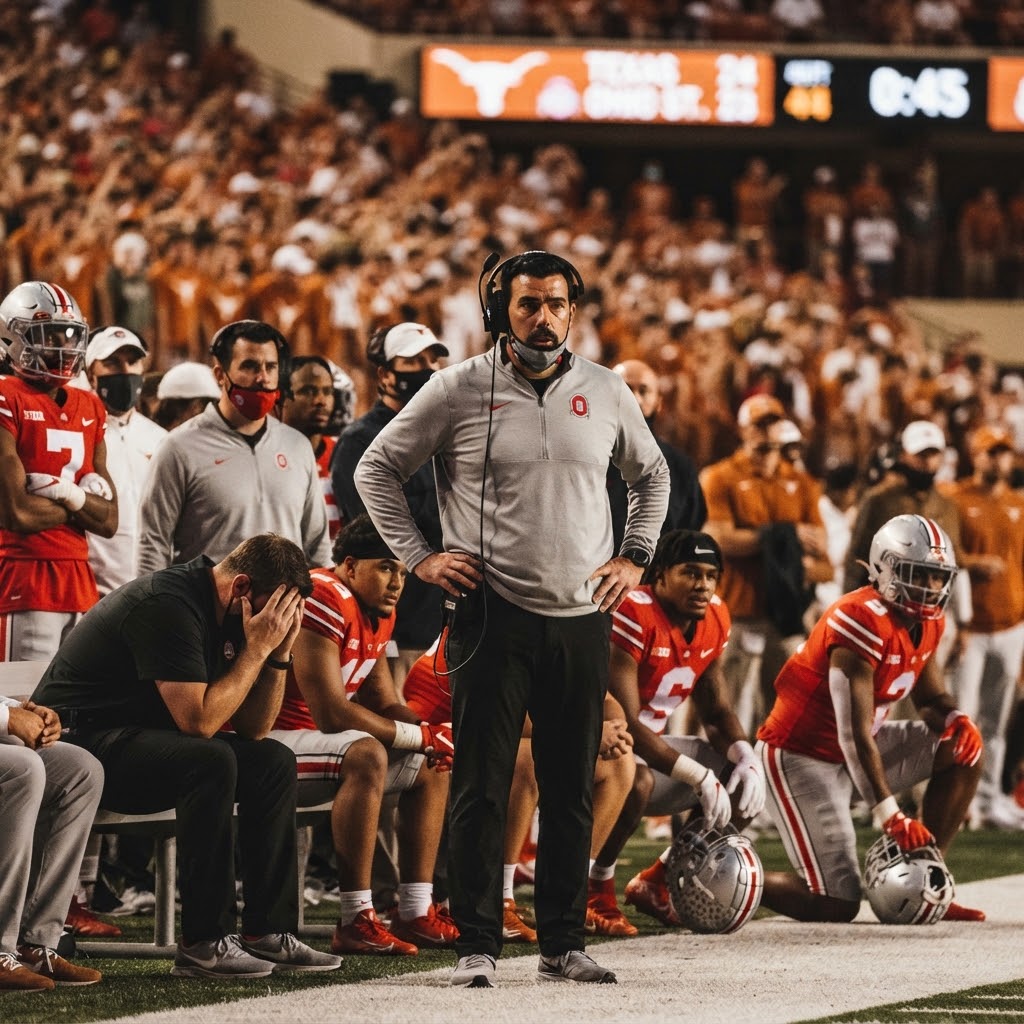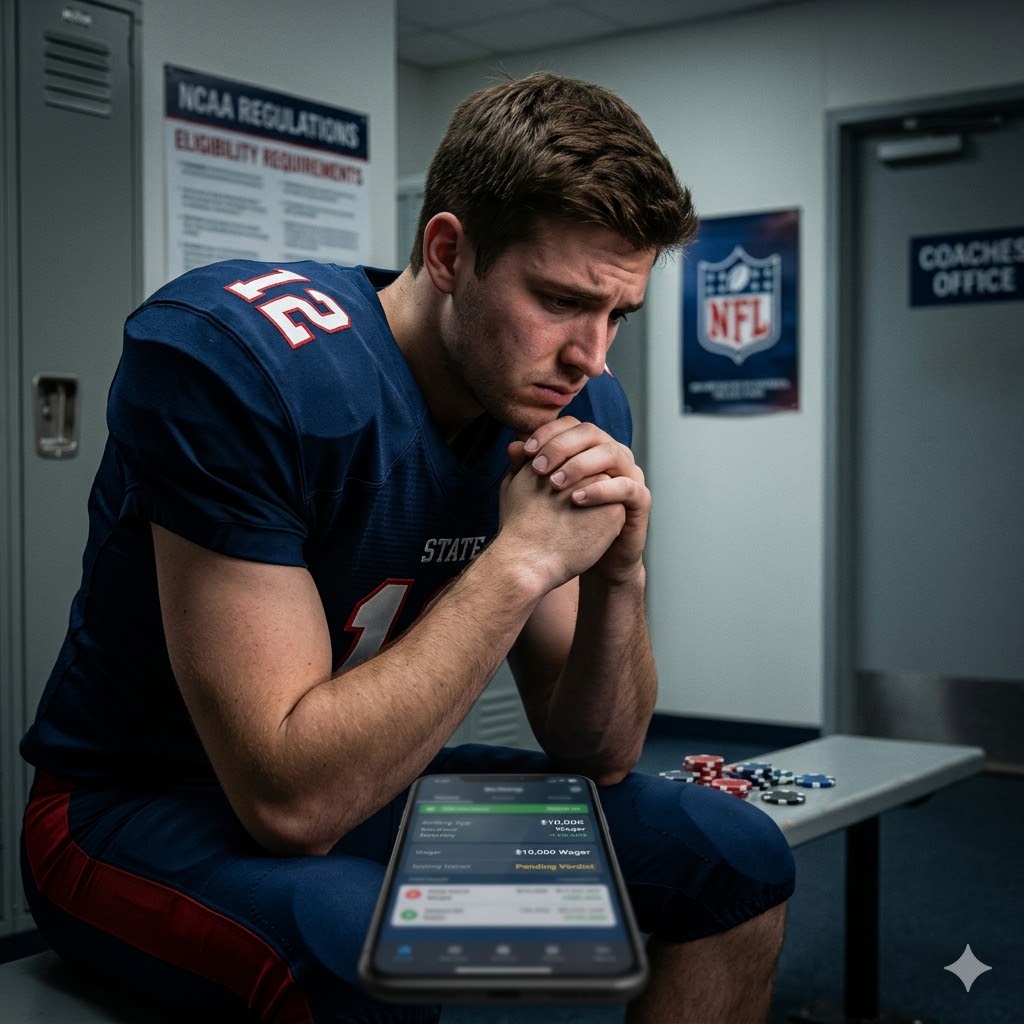

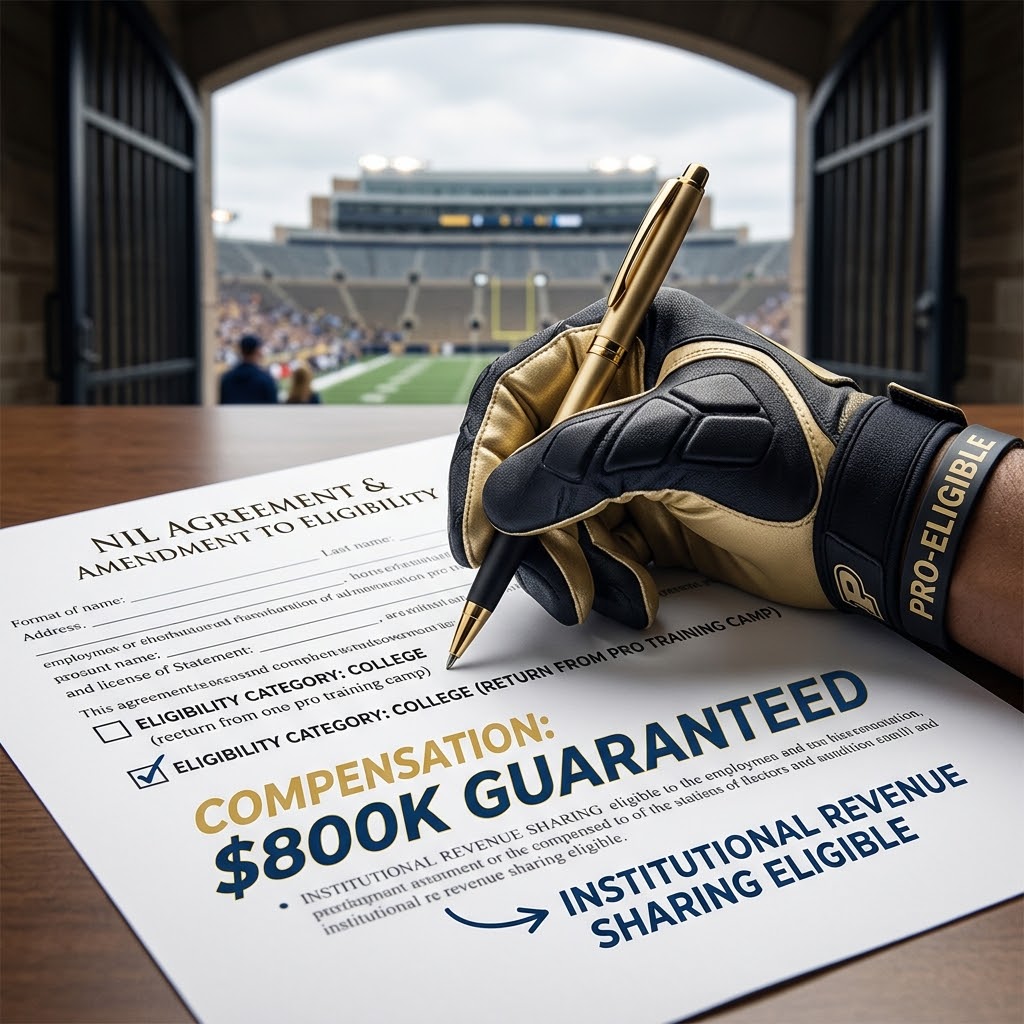
I stared at my screen this morning, refreshed the news, and genuinely wondered if I was reading satire. A state judge in Louisiana just issued an injunction barring the NCAA and the SEC from stopping LSU from fielding players who have already spent time in the NFL. Let that sink in for a moment. We are no longer talking about whether college athletes can sign endorsement deals or get paid for their autographs. We are watching professional football players, guys who went to NFL training camps and signed actual pro contracts just weeks ago, turning around and suiting up for a Saturday college kickoff.
Naturally, I had to dig into this circus to make sense of how on earth we arrived here. The immediate catalyst is a bureaucratic knot called the five-in-five rule. The NCAA decided to grant Division I athletes five full years of playing eligibility across a five-year window, but they arbitrarily excluded the high school class of 2022. Because those athletes thought their college eligibility had run out at the end of last season, a bunch of them packed their bags, declared for the draft, or signed NFL deals as undrafted free agents. When a class of dozens of athletes sued over this exclusionary gap, a local judge agreed with them and opened up an emergency transfer window. Just like that, programs like LSU jumped at the chance to poach NFL-seasoned talent right off pro rosters, while the SEC immediately turned around and sued LSU in federal court to stop it.
To understand why the NCAA has zero control over this mess, you have to look at the legal avalanche of the past decade. It really started unraveling with the O'Bannon decision, which cracked the door open by ruling that the NCAA could not exploit player likenesses for free. Then came the Alston ruling in 2021, where the Supreme Court unanimously dismantled the NCAA's amateurism defense under antitrust law. The concurring opinion famously noted that the NCAA is not above the law and cannot artificially restrict compensation in an interstate market. Ever since that legal beatdown, the NCAA has been utterly terrified of being sued, losing case after case in every district court in the country. That has created a complete jurisdictional vacuum where local judges can essentially rewrite roster bylaws from their chambers on a Tuesday afternoon.
The biggest reason this makes my head spin is the money involved, because it completely flips the natural sports hierarchy on its head. For decades, the NFL was the promised land where you survived college to finally get paid. Today, fringe NFL talent has realized that college football is often a far more lucrative and secure business. If an undrafted rookie signs an NFL deal, the odds of being cut before the regular season are massive. If they end up bouncing around practice squads, they might make a weekly check that amounts to a couple hundred thousand dollars over a season, with zero guarantees if they pull a hamstring. Compare that to a top-tier college program armed with multi-million dollar revenue sharing budgets and deep-pocketed booster collectives. A proven defensive tackle or tight end can stroll back to campus and lock in half a million to a million dollars in guaranteed payments, all while enjoying complimentary housing, top-shelf nutrition, and local celebrity status.
This financial reality is bound to ripple into the NFL itself, handing young players unprecedented leverage against the traditional draft order. A draft pick who lands with a dysfunctional franchise or feels insulted by a lowball slotted rookie offer can now realistically threaten to walk away and return to college for a massive paycheck. While the NFL collective bargaining agreement prevents drafted players from simply hitting unrestricted free agency, they can hold their drafting team hostage, force a trade, or sit out a year to enter the draft again. For undrafted camp standouts on the bubble, the threat is even more immediate. Instead of waiting around for an August cutdown notice, an athlete can tell a front office that college booster money is calling.
Meanwhile, the sport of college football itself has devolved into an unrecognizable, year-round corporate transaction. Between the unrestricted transfer portal and the court orders, the concept of school loyalty is entirely dead. Head coaches jump ship overnight for bigger buyouts, while players migrate across three different schools in four years. Now we have added an NFL waiver wire to late-August practices, where a high school recruit who spent six months grinding through summer workouts can suddenly be benched because an NFL cut arrived on campus three days before the season opener.
All roads in this dispute will inevitably lead to the United States Supreme Court. The NCAA is desperately appealing local injunctions, but having different eligibility rules across different states is legally untenable for an interstate sports league. When the highest court finally takes this up, the justices will have to settle whether college sports can maintain any private amateur governance at all, or if athletes must formally be declared employees who bargain collectively through a union.
The entire situation is fundamentally absurd. The concept of the student-athlete has been thoroughly abandoned, conferences are suing their own flagship institutions, and professional players are exploiting legal loopholes to play against nineteen-year-old sophomores. Yet despite the circus, the lawsuits, and the total erosion of common sense, millions of fans, including myself, will still plant themselves on the couch this weekend to watch every single snap.