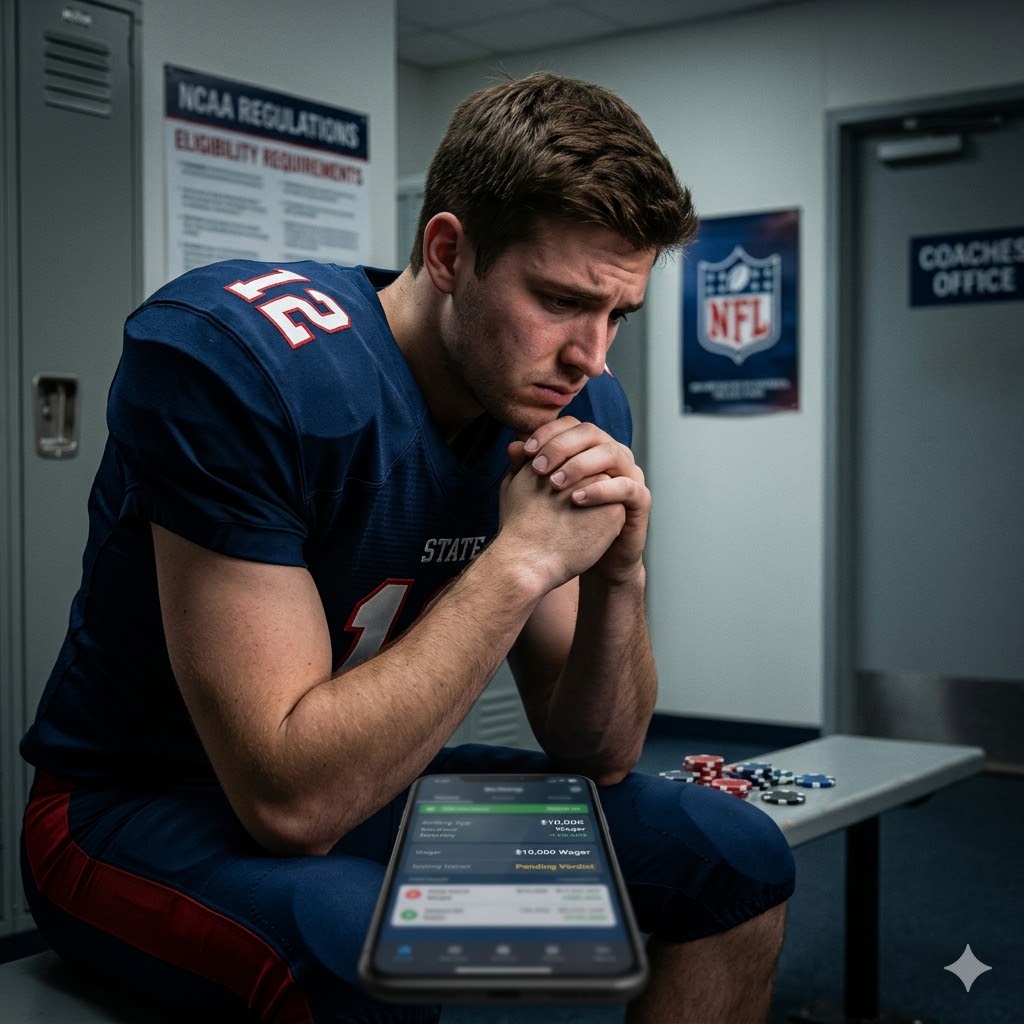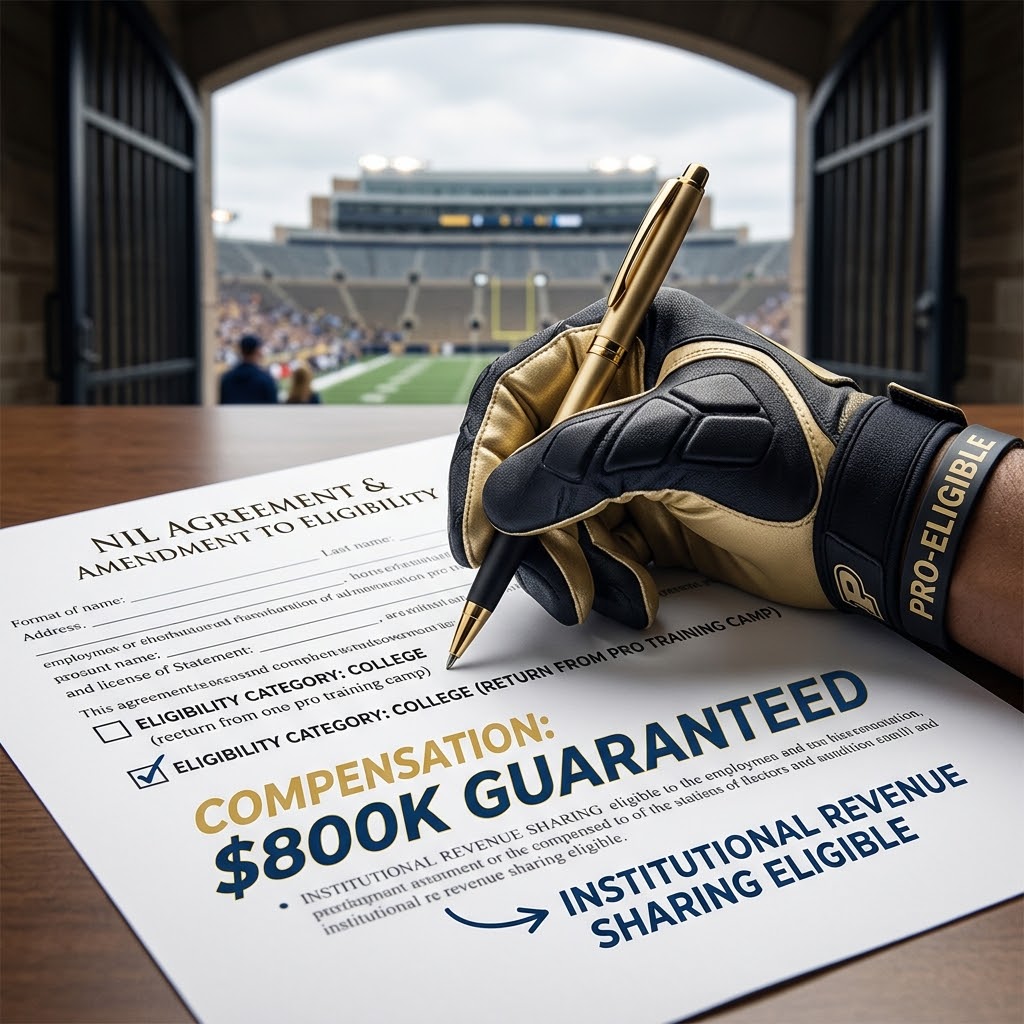
After standout seasons at Indiana and Cincinnati, Sorsby transferred to Texas Tech for a reported multimillion-dollar NIL deal. However, his college career is now in severe jeopardy. The NCAA ruled Sorsby permanently ineligible after an investigation revealed he placed over 9,000 wagers totaling at least $90,000 over a four-year span. Crucially, court documents show that Sorsby made 40 bets on his own Indiana football team while on the roster as a redshirt freshman in 2022. Sorsby has since completed a 35-day residential rehab program for a diagnosed sports gambling addiction and anxiety disorder. His high-profile legal team is currently petitioning a Texas district judge for an expedited temporary injunction. They argue that the NCAA should treat his infraction as a medical and mental health condition rather than a malicious integrity violation.The ruling has dealt a devastating blow to Texas Tech head coach Joey McGuire and the Red Raiders' 2026 season aspirations. Sorsby was brought in as the crown jewel of their transfer portal class to run the offense. Texas Tech’s administration has firmly supports Sorsby, going so far as to counter-propose a self-imposed two-game suspension to the NCAA. so he could play the remaining 10 games. If the judge denies the injunction, the Red Raiders will be forced to pivot to an unproven backup quarterback, drastically lowering their expectations in a highly competitive Big 12 conference. Coach McGuire noted that the team expects a final ruling from the judge by Monday.If the legal "Hail Mary" fails and his college career is officially over, Sorsby’s next logical step is to file for entry into the NFL Supplemental Draft before the June 22 deadline.The supplemental draft is a rarely used mechanism for players whose college eligibility changes after the primary spring draft. It works via a unique blind-bidding system. NFL teams submit a bid stating the specific round they are willing to use on a player. If a team successfully drafts Sorsby, they must forfeit their corresponding pick in the 2027 draft. Tiebreaks are determined by a weighted lottery system based on the previous season's win-loss records.Sorsby possesses legitimate NFL size 6'3" and a powerful arm, making him an intriguing developmental talent. Prior to the scandal, tape evaluators viewed him as a potential early-to-mid-round prospect for the future. However, his draft stock faces a grim projection. NFL front offices are notoriously risk-averse regarding gambling concerns. Cleveland Browns coach Todd Monken publicly warned that picking Sorsby would represent a "slippery slope" for an organization given the sheer volume of his wagering history. While talent-starved teams like the New England Patriots or Las Vegas Raiders might take a flyer on him as a depth piece, he is highly unlikely to command a premium pick. Expect Sorsby to either go undrafted or be selected in the 6th or 7th round by a team willing to absorb the public relations risk for a low-cost backup quarterback.Sorsby’s case is just the tip of a massive iceberg. College sports are grappling with systemic integrity issues. Earlier this year, a massive federal indictment unsealed in Pennsylvania charged 26 individuals—including 20 current or former Division I basketball players—in a widespread bribery and point-shaving scheme. Fixers paid players thousands of dollars to intentionally miss shots and play poor defense to manipulate the point spreads across 17 different schools.This underbelly has exposed the deep hypocrisy of the current collegiate landscape. While the NCAA enforces strict zero-tolerance policies on athletes, conference networks and universities are simultaneously generating millions of dollars by partnering with sportsbooks and selling real-time data feeds directly to gambling companies.The national fallout from these overlapping scandals has reached Capitol Hill. Lawmakers, university presidents, and athletic directors are realizing that the current safeguards are insufficient to monitor the digital betting habits of young adults. In response, the bipartisan Gambling Disorder Health Study Act was officially introduced to Congress. The bill aims to deploy federal funding to research online sports gambling addiction among college-aged demographics. Furthermore, the NCAA is facing intense pressure to completely ban player prop bets nationwide, as college athletes continue to face immense harassment from bettors online. The outcome of Sorsby's impending court ruling will set a massive legal precedent for how sports leagues handle the intersection of player addiction and competitive integrity.
NCAAF
NCAA Ineligibility & the NFL: Inside Brendan Sorsby’s High-Stakes Gambling Scandal
The escalating crisis surrounding sports betting in college athletics has reached a boiling point, transforming locker rooms and federal courtrooms into legal and ethical battlegrounds.

Ryan A