
Like millions of American sports fans, I only really pay attention to soccer every four years when the World Cup rolls around. I tune in for the hype, the dramatic extra-time goals, and the excuse to grab beers friends to take in a game.
So when I opened my phone this morning to see breaking news alerts declaring that Lionel Messi had officially retired from international soccer, I froze. My immediate reaction was confusion: Wait, isn't he still playing games for Miami? Did he just quit soccer completely? I decided to dig into what was actually going on. What I discovered not only cleared up how global soccer works, but it also showed me the reality of what this man has accomplished, and why his choice to play right here in Major League Soccer makes total sense.
In American sports, when an icon like Tom Brady or LeBron James retires, they pack up their lockers and walk away from the sport for good. There is only one league that matters.
Soccer doesn't work that way. As I started researching, I learned that elite soccer players basically work two high-stakes jobs at once:
Club Soccer: Players sign massive private contracts with independent teams; whether that's Barcelona, Manchester City, or Inter Miami. These clubs pay their weekly salaries, practice together every day, and play an exhausting 40-to-60 game calendar all year long.
Country Duty: Players who are good enough get called up by their home country during designated breaks in the club schedule to represent their homeland in regional tournaments and the World Cup.
When Messi announced he was hanging up his cleats for Argentina 🇦🇷, he wasn't retiring from soccer. He was just putting his two weeks' notice in at Job #2. He is officially done with 14-hour transcontinental flights, hostile South American qualifiers, and the suffocating pressure of carrying a nation on his shoulders. But he is still an active, employed player for Inter Miami CF.
Once I understood the split, I looked into what Messi actually did during his 21-year run with Argentina. As someone used to tracking NFL touchdowns and NBA triple-doubles, these international numbers are staggering:
207 Caps and 125 Goals: He played 207 games for his country and scored 125 goals. For context, no player in South American history has ever scored more. The second-highest scorer in Argentina's history, Gabriel Batistuta, sits way back at 56.
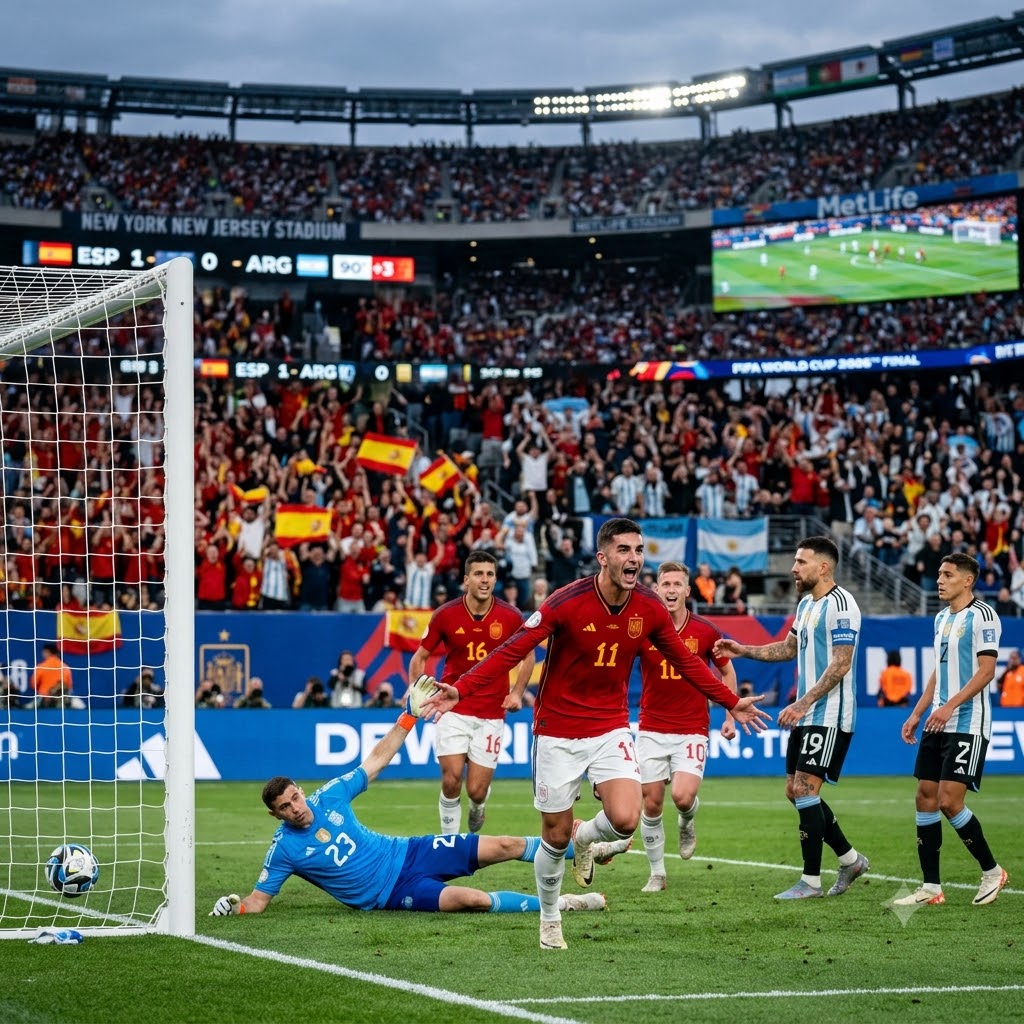
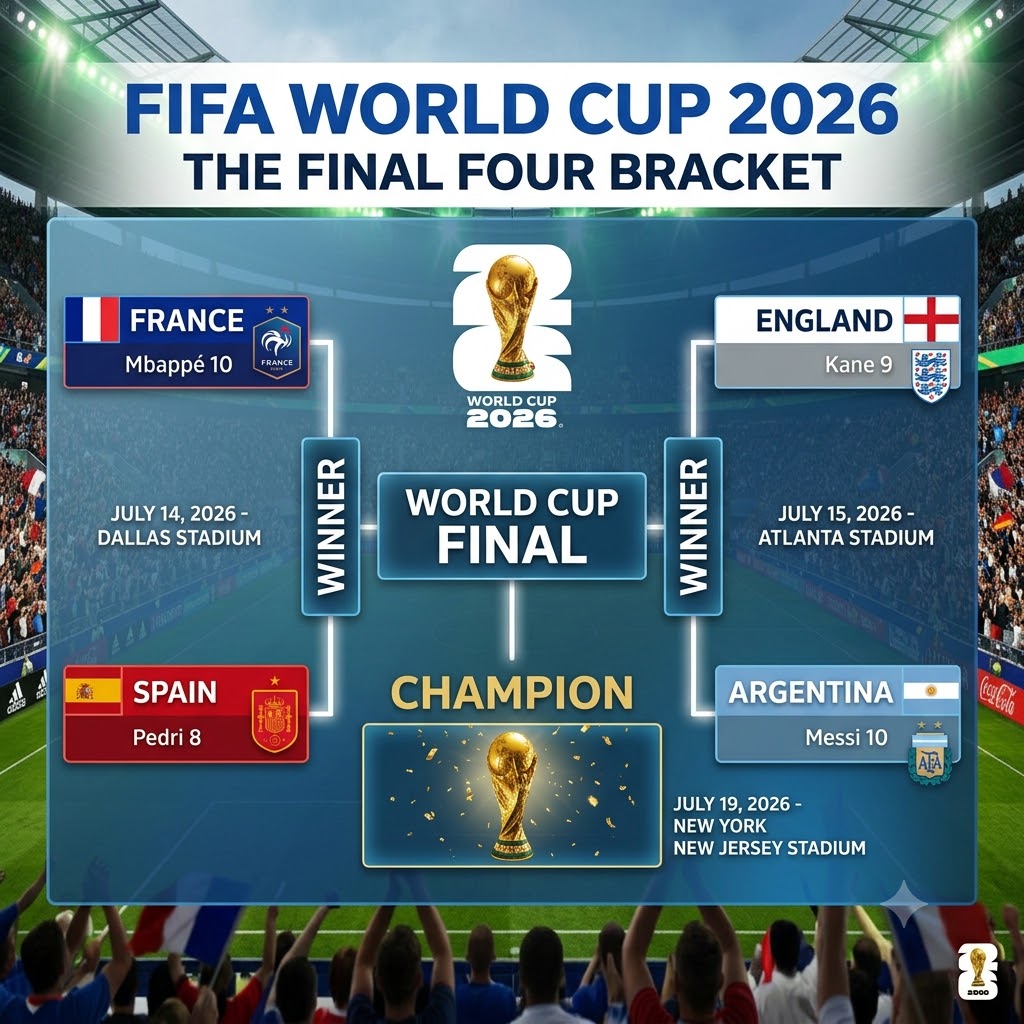
Six World Cups & Three Finals: He appeared in six different World Cups spanning from 2006 to 2026, reaching the final in 2014, lifting the trophy in Qatar in 2022, and battling all the way back to the title game in 2026. He holds the all-time tournament record with 34 World Cup matches played.
The Complete Trophy Sweep: He won Olympic Gold in 2008, back-to-back Copa América championships in 2021 and 2024, the Finalissima in 2022, and the 2022 World Cup.
For most of his career, critics argued he couldn't win when it mattered for his country. Seeing how he closed out his run by winning literally every major tournament in world football proved that he didn't just meet expectations—he completely conquered the game.
This was the part that baffled me the most. If Messi is universally regarded as the greatest athlete to ever kick a ball, why is he spending his final playing years in MLS—a league that even casual fans know is several tiers below the UEFA Champions League or the English Premier League?
To an American fan, it felt like Patrick Mahomes leaving the NFL in his prime to go play in the CFL. But as I read into his European career, the logic hit me: he had already beaten the game.
Over nearly two decades playing for FC Barcelona and Paris Saint-Germain, Messi won 10 La Liga titles, 4 Champions Leagues, and a record 8 Ballon d'Or trophies as the best player on Earth. There were no achievements left unlocked, no scoring records left unbroken, and no doubters left to silence. Staying in Europe only meant enduring unrelenting media vultures, hostile ultras, and grueling year-round match schedules.
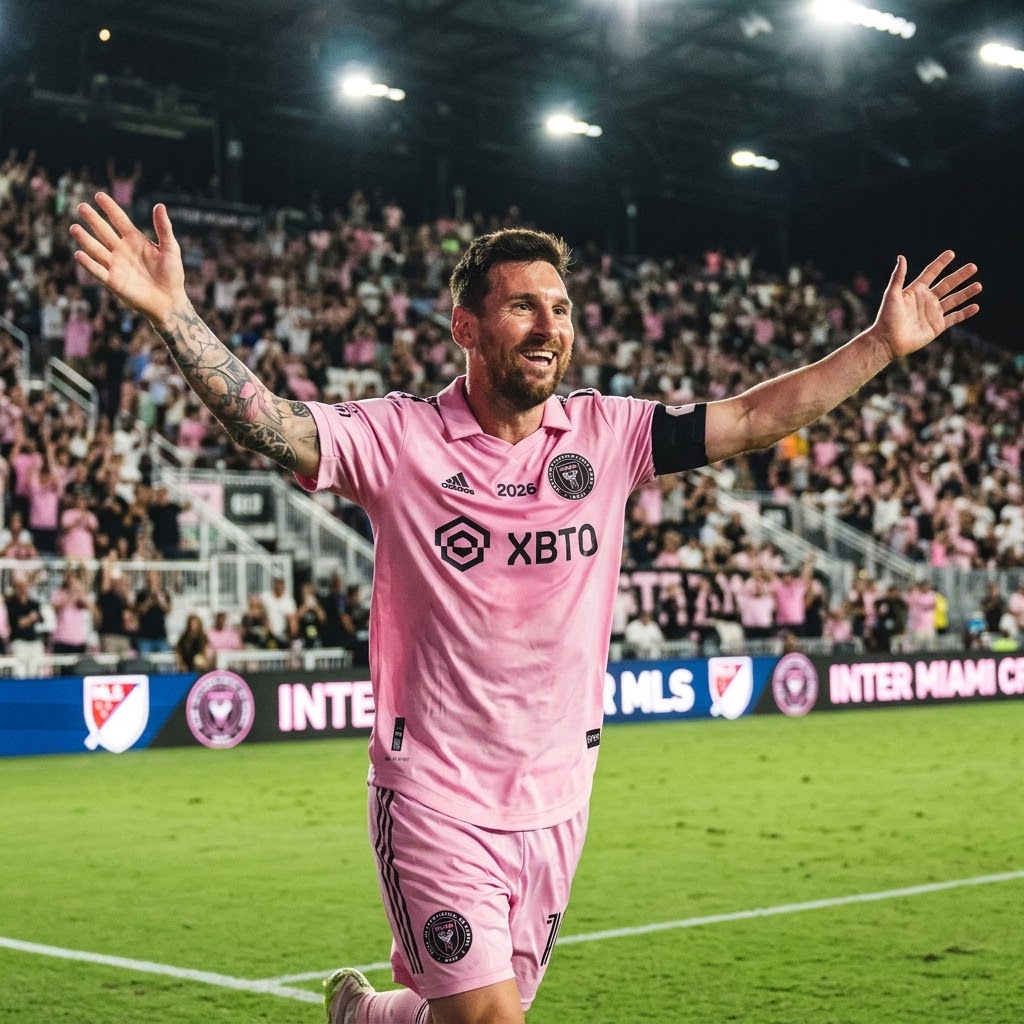
When Messi decided to leave Europe, Saudi Arabian clubs reportedly offered him over a billion in cash and incentives. Instead, he chose South Florida—and when you look at the structure of the deal, it was a masterclass in modern sports business. Rather than just collecting a weekly paycheck, Messi’s deal with Inter Miami included future equity in the club, profit-sharing cuts of international Apple TV MLS Season Pass subscriptions, and revenue splits on jersey sales with Adidas. It’s the David Beckham playbook from 2007, updated for the streaming era.
In addition to the once in a lifetime business deals, Messi chose to get away from the crazy lifestyle he faced in Europe. In Barcelona or Paris, he couldn't walk down the street without bodyguards and crowds swarming him. In Miami, he lives in a Spanish-speaking paradise with great weather, where his wife and three boys can enjoy regular daily life with a level of privacy Europe never allowed. Instead of fighting for a fifth Champions League title that wouldn't change his legacy, he came to North America to be the face of an entire sport's explosion, opening brand-new stadiums like Miami Freedom Park and packing NFL venues across the country.
Looking at his current setup, Messi remains under contract with Inter Miami through 2028. While his recent personal farewell note admitted that the emotional and physical grind is taking a toll, stepping away from Argentina frees up his body to focus solely on domestic matches.
Discovering the scope of Messi’s career made me realize how fortunate we are as sports fans right now. We won't ever see him in an Argentina jersey at another World Cup. But every weekend, one of the greatest players in soccer history is still lacing up his boots right in our backyard—and for any casual fan, that is something worth tuning in to see.